
Back pain is a common ailment that affects millions of people worldwide. Whether it’s a dull ache or a sharp, shooting pain, back issues can significantly impact your quality of life. However, many people are unaware of the various factors that contribute to back pain and the numerous treatment options available.
In this comprehensive guide, we’ll delve into the world of back pain, exploring its causes, symptoms, and the most effective ways to manage and prevent it. By understanding the intricacies of back pain, you can take control of your health and lead a more comfortable, active life.
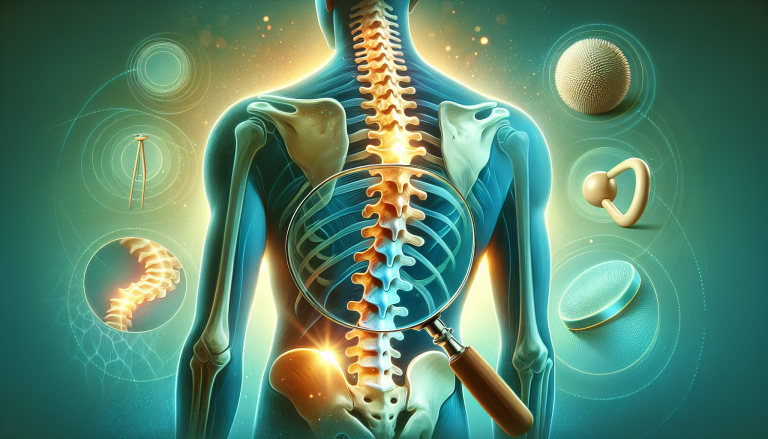
Types and Causes of Back Pain
Back pain can manifest in various forms, ranging from a persistent dull ache to a sudden, sharp sensation. Understanding the different types of back pain and their causes is crucial for effective treatment and management.
Acute back pain is often the result of a sudden injury or trauma, such as a fall or a heavy lifting incident. This type of pain usually lasts for a few days to a few weeks and tends to resolve on its own with self-care measures.
Chronic back pain, on the other hand, persists for 12 weeks or longer. It can be caused by a variety of factors, including age-related changes in the spine, poor posture, obesity, and underlying medical conditions like herniated discs, osteoarthritis, or ankylosing spondylitis.
Other common causes of back pain include muscle strains, ligament sprains, and spinal stenosis. Pregnancy can also lead to back pain due to the added weight and changes in posture.
Symptoms and When to Seek Medical Attention
Back pain can manifest in various ways, from a dull, constant ache to a sudden, sharp sensation. Common symptoms of back pain include muscle aches, shooting or stabbing pains, pain that radiates down the leg, and limited flexibility or range of motion. Understanding back pain and its symptoms is crucial for effective treatment and management.
While mild back pain often improves with self-care and over-the-counter medications, there are instances when it’s essential to seek medical attention. If your back pain is severe, persists for more than a few weeks, or is accompanied by other symptoms such as numbness, weakness, or unexplained weight loss, it’s time to consult a healthcare professional. Additionally, if your back pain is the result of a fall, blow to the back, or other injury, or if you experience bowel or bladder control issues, immediate medical care is necessary for proper diagnosis and treatment.
Over-the-Counter and Prescription Treatments for Back Pain
When it comes to managing back pain, over-the-counter medications can often provide relief for mild to moderate cases. Non-steroidal anti-inflammatory drugs (NSAIDs) like ibuprofen and naproxen can help reduce inflammation and alleviate pain. Acetaminophen is another option that can effectively reduce pain without addressing inflammation. However, it’s essential to follow the recommended dosage and consult with your doctor if you have any pre-existing health conditions or concerns.
In more severe cases, your doctor may prescribe stronger pain medications, such as muscle relaxants or opioids. These medications should be used under close supervision and only as directed by your healthcare provider. It’s important to note that while these treatments can provide temporary relief, they should be used in conjunction with other therapies, such as physical therapy and exercise, to address the underlying causes of back pain and promote long-term healing.
Here is the article with a new paragraph added after paragraph 25, using one of the provided links:
Back pain is pain felt in the back. It may originate from muscles, nerves, bones, joints or other structures in the spine. Back pain is a common reason for absence from work and doctor visits. Although back pain may be painful and uncomfortable, it is not usually serious. Back pain can affect people of any age, for different reasons. As people get older, the chance of developing lower back pain increases, due to factors such as previous occupation and degenerative disk disease. Lower back pain may be linked to the bony lumbar spine, discs between the vertebrae, ligaments around the spine and discs, spinal cord and nerves, lower back muscles, abdominal and pelvic internal organs, and the skin around the lumbar area. Pain in the upper back may be due to disorders of the aorta, tumors in the chest, and spine inflammation. The lumbar area is the most common area affected by lower back pain. The pain may be acute, sub-acute, or chronic depending on the duration. With acute pain, the pain lasts a few days to a few weeks. In sub-acute pain, the pain lasts between 4 and 12 weeks. In chronic pain, the pain lasts 12 weeks or longer, even after the initial injury or cause of the pain has been treated. 30 to 40% of people will experience sciatica at some point in their lives. There are many causes of back pain, including blood vessels, internal organs, infections, mechanical, and autoimmune causes. Approximately 98% of back pain patients are diagnosed with nonspecific acute back pain in which there is no known pathology. Less than 2% are attributed to secondary factors, with metastatic cancers and serious infections, such as spinal osteomyelitis and epidural abscesses, accounting for around 1%. Back pain is classified according to etiology in mechanical or nonspecific back pain. Back pain may also be according to the location in the spine, as well as the underlying cause. The symptoms of back pain may include persistent aching or stiffness anywhere along the spine, from the base of the neck to the tail bone. Sharp, localized pain in the neck, upper back, or lower back — especially after lifting heavy objects or engaging in other strenuous activity. Chronic ache in the middle or lower back, especially after sitting or standing for extended periods. Back pain that radiates from the low back to the buttock, down the back of the thigh, and into the calf and toes. Inability to stand straight without having pain or muscle spasms in the lower back. Back pain is uncommon among children and teenagers. Typically, children and teenagers with back pain suffer from spondylolysis and spondylolisthesis. Spondylolysis is a unilateral or bilateral stress fracture of a vertebra, thought to be caused by repeated stress or acute trauma. Spondylolisthesis is a condition in which one vertebra slips or slides over another vertebra, usually in the lumbar region of the spine. Prolonged standing, heavy lifting, and bending may increase the risk of developing back pain. Diagnosis of low back pain is done by a physician based on patient’s medical history, a physical exam, and sometimes using imaging tests. The patient history should include questions about the location, severity, frequency, and duration of symptoms. Mechanical factors (ex. lumbago) and neuropathic factors (ex. radiculopathy) should be considered. Concerning symptoms should be inquired, including: saddle anesthesia, bladder dysfunction, worsening pain/weakness in the lower limbs, fever, weight loss, history of inflammatory back pain, osteoporosis, cancer or a recent infection. The physical exam should test for: sensation, muscle strength, reflexes, spine range of motion, posture, and gait. The straight leg raise test is often used to evaluate radicular pain. Imaging tests may include: X-rays, CT scans, MRI scans, and blood tests. Imaging is not typically needed in the initial diagnosis or treatment of back pain. However, if there are certain “red flag” symptoms present, or if the pain persists for a long period of time, imaging may be recommended. Red flags include significant trauma related to age, history of cancer, history of prolonged steroid use, history of osteoporosis, urinary infection, fever, history of intravenous drug use, and severe pain especially at night and when lying down. Sciatica is a specific type of back pain that involves the sciatic nerve. The sciatic nerve is the largest nerve in the body, running from the lower back through the buttocks and down the legs. Sciatica occurs when this nerve becomes compressed or irritated, often due to a herniated disc or spinal stenosis. Symptoms of sciatica include sharp pain, burning, tingling, or numbness that radiates from the lower back down one or both legs. Treatment for sciatica may involve pain medications, physical therapy, or in severe cases, surgery. Treatment recommendations depend on the suspected etiology of the patient’s back pain. The majority of back pain is treated conservatively with the goal of restoring normal function, returning the individual to work, and minimizing pain. Education about spine anatomy and treatment options, posture, and ergonomic recommendations such as maintaining an upright posture and using a chair with lumbar support, helps speed recovery. Physicians often recommend acetaminophen as the first medication to try for back pain. Nonsteroidal anti-inflammatory drugs (NSAIDs) like ibuprofen and naproxen are alternatives. Muscle relaxants, membrane stabilizing medications, and antidepressants may also be used to treat back pain. Opioid medications are now only recommended in acute low back pain for patients who do not improve with NSAIDs or acetaminophen. Physical therapy modalities like transcutaneous electrical nerve stimulation (TENS), ultrasound, heat, and ice are frequently used to treat back pain. Traction, massage, and spinal manipulation may also be recommended. Spinal surgery for back pain like laminectomy, discectomy, or spinal fusion is considered when back pain does not improve after 6 weeks to 12 months of nonsurgical treatment. According to the American Association of Neurological Surgeons, 75 to 85% of Americans will experience back pain during their lifetime. About 50% of people will have more than one episode of back pain. The total costs of low back pain in the United States exceed $100 billion per year. Two-thirds of the costs are due to lost wages and reduced productivity. Back pain is one of the most common reasons for missed work. One-half of all working Americans admit to having back pain symptoms each year. Back pain is the second most common reason for visits to the doctor’s office, outnumbered only by upper-respiratory infections. Most cases of back pain are mechanical or non-organic—meaning they are not caused by serious conditions, such as inflammatory arthritis, infection, fracture or cancer. Americans spend at least $50 billion each year on back pain—and that’s just for the more easily identified costs. Experts estimate that as many as 80% of the population will experience a back problem at some time in their lives. Back pain is the leading cause of disability in Americans under 45 years old. More than 26 million Americans between the ages of 20-64 experience frequent back pain.
Physical Therapy and Exercise for Back Pain Relief
Physical therapy and exercise play a crucial role in back pain relief and management. A skilled physiotherapist can develop a personalised treatment plan that includes targeted exercises and stretches to strengthen the muscles supporting your back, improve flexibility, and reduce pain. Techniques such as manual therapy, massage, and heat or cold therapy may also be used to alleviate discomfort and promote healing.
In addition to working with a physical therapist, incorporating regular exercise into your routine can help prevent back pain and maintain a healthy spine. Low-impact activities like walking, swimming, and yoga are excellent options for those with back pain. These exercises not only strengthen your back muscles but also improve overall fitness and well-being. Remember to start slowly and listen to your body, gradually increasing the intensity and duration of your workouts as your back health improves. With the guidance of a professional and a commitment to regular exercise, you can effectively manage and prevent back pain.
Lifestyle Changes and Ergonomics for Back Health
Making simple lifestyle changes and focusing on ergonomics can go a long way in promoting back health and preventing back pain. Maintaining a healthy weight through a balanced diet and regular exercise can reduce the strain on your back. When it comes to exercise, low-impact activities like swimming, walking, and yoga are excellent for strengthening the muscles that support your spine.
Proper posture and ergonomics are crucial in both your personal and professional life. When sitting, keep your feet flat on the ground and your back straight, using a chair with good lumbar support. If you work at a desk, ensure that your computer screen is at eye level and your keyboard and mouse are within easy reach. When lifting heavy objects, use your legs and keep the item close to your body to avoid putting unnecessary stress on your back. By making these simple adjustments, you can significantly reduce your risk of developing back pain.
Alternative and Complementary Therapies for Back Pain
In addition to conventional treatments, many people find relief from back pain through alternative and complementary therapies. Acupuncture, a traditional Chinese medicine technique, involves the insertion of thin needles at specific points on the body to alleviate pain and promote healing. Massage therapy, such as Swedish or deep tissue massage, can help relax tense muscles and improve circulation, reducing back pain and stiffness. Chiropractic care focuses on the relationship between the spine and the nervous system, using spinal adjustments to restore proper alignment and alleviate pain. Yoga and Pilates are gentle forms of exercise that can help stretch and strengthen the muscles supporting the back, improving flexibility and reducing the risk of injury. Herbal remedies and supplements, such as turmeric, ginger, and omega-3 fatty acids, may also help manage inflammation and pain associated with back issues. While these alternative therapies can be effective for many people, it’s essential to consult with a healthcare professional before starting any new treatment plan.
Putting It All Together: A Comprehensive Approach to Back Pain Management
Managing back pain effectively requires a comprehensive approach that combines various treatment methods and lifestyle changes. By understanding the type and cause of your back pain, you can work with your healthcare provider to develop a personalised treatment plan. This may include a combination of over-the-counter medications, prescription drugs, physical therapy, exercise, and alternative therapies such as acupuncture or massage.
Adopting a healthy lifestyle is crucial for preventing and managing back pain. This includes maintaining a healthy weight, practicing proper lifting techniques, setting up an ergonomic workspace, and engaging in regular exercise to strengthen your back and core muscles. For those living with chronic back pain, seeking support from family, friends, or support groups can be beneficial for mental health and overall well-being.
Remember, consistency is key when it comes to back pain management. By staying committed to your treatment plan and making necessary lifestyle changes, you can successfully alleviate your back pain and improve your quality of life.