
Back pain is one of the most prevalent medical conditions, impacting individuals of all ages. It is the second most common reason people seek medical care and can significantly affect daily life. By exploring the causes, treatments, and preventive measures, you can better manage or even avoid this condition.
Common Causes of Back Pain
Understanding the origins of back pain is the first step toward effective management. Below are some primary causes and related factors:
- Muscle or Ligament Strain
Repetitive motions, heavy lifting, or poor technique during physical activities can lead to strained muscles and ligaments. Prolonged inactivity or sedentary lifestyles can also weaken muscles, making them more prone to strain. - Herniated Discs and Nerve Compression
A herniated or bulging disc occurs when the soft cushioning between vertebrae pushes out, potentially pressing against nearby nerves. This condition often results in sciatica—a sharp, radiating pain down the leg. - Arthritis and Spinal Stenosis
Arthritis, particularly osteoarthritis, can affect the joints in the lower back, leading to inflammation and stiffness. Spinal stenosis, or the narrowing of the spinal canal, is another related condition that compresses nerves and causes pain or numbness. - Poor Posture and Ergonomics
Long hours at a desk, improper chair support, or hunching over electronic devices can create imbalances in spinal alignment. Over time, this leads to chronic discomfort and increased pressure on certain areas of the spine. - Lifestyle and Psychological Factors
Smoking, poor diet, and lack of exercise weaken the spine and muscles. Additionally, stress and anxiety can exacerbate pain by causing muscle tension and amplifying the perception of discomfort.
Symptoms to Watch For
Back pain can vary significantly in severity and duration. Understanding the symptoms can help you decide when to seek professional care:
- Acute Back Pain
Sudden onset pain, often caused by injury or overexertion, typically resolves within days to weeks. - Chronic Back Pain
Persistent pain lasting longer than 12 weeks may indicate underlying issues such as disc degeneration or arthritis. - Associated Conditions
Pain accompanied by symptoms like numbness, tingling, or weakness may suggest nerve involvement. Similarly, loss of bladder or bowel control, though rare, requires immediate medical attention.
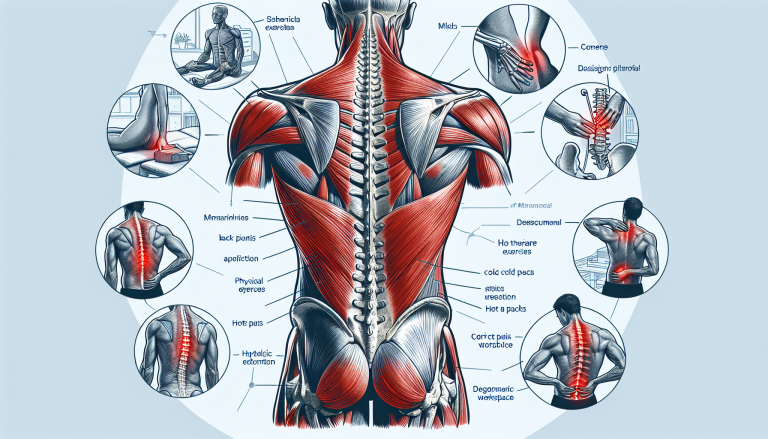
Effective Treatments for Back Pain
Managing back pain requires a comprehensive approach tailored to the individual’s needs.
- Lifestyle and Environmental Modifications
- Replace old mattresses with orthopedically designed options.
- Optimize workstation ergonomics with adjustable desks and supportive chairs.
- Physical Therapy and Exercise
Strengthening the core, glutes, and back muscles improves spinal stability. Tailored exercise programs like Pilates or water-based therapy are particularly beneficial for individuals with limited mobility. - Medical Interventions
- Anti-inflammatory medications help manage acute flare-ups.
- Epidural steroid injections or nerve blocks may alleviate severe cases.
- Complementary and Alternative Therapies
Chiropractic care, acupuncture, and yoga are evidence-backed methods that address alignment, reduce inflammation, and promote relaxation. - Surgical Options
In cases involving severe herniated discs or spinal deformities, procedures like laminectomy or spinal fusion may provide relief.
The Role of Sleep and Nutrition in Back Health
Did you know that inadequate sleep and poor nutrition can worsen back pain? Quality sleep aids tissue repair and reduces inflammation, while a diet rich in calcium, magnesium, and vitamin D supports bone and muscle health. Anti-inflammatory foods like turmeric, fatty fish, and leafy greens can also help reduce chronic pain.
Technology and Back Pain: A Modern Concern
In today’s digital age, prolonged screen time contributes significantly to back pain. The “tech neck” phenomenon, caused by looking down at phones or laptops, stresses the cervical spine and shoulders. Ergonomic gadgets such as standing desks, lumbar cushions, and posture-correcting wearables can counteract these effects.
The Psychological Connection
Mental health plays a critical role in managing chronic pain. Conditions like anxiety and depression can heighten pain sensitivity and hinder recovery. Mindfulness techniques, cognitive behavioral therapy (CBT), and relaxation exercises are effective tools for addressing this mind-body connection.
Preventing Back Pain
Prevention is better than cure. Here’s how to minimize your risk:
- Daily Habits
Incorporate regular stretching exercises to maintain flexibility. Even brief movement breaks during long periods of sitting can reduce strain. - Strengthening the Core
A strong core reduces pressure on the lower back, making it essential to include planks, bridges, and other core-strengthening exercises in your routine. - Weight Management
Carrying extra weight, particularly around the abdomen, shifts the center of gravity and puts additional strain on the lower back.
Conclusion
Back pain is a complex condition influenced by physical, environmental, and psychological factors. By understanding its causes, symptoms, and treatments, you can take proactive steps to manage or prevent pain. Whether through exercise, lifestyle adjustments, or professional intervention, relief is possible, and a pain-free life awaits.