
Back pain is a common problem that affects millions of people worldwide. Whether it’s a dull ache or a sharp, shooting sensation, back pain can significantly impact your quality of life.
Understanding the causes, symptoms, and available treatments is crucial for managing back pain effectively. By exploring the various factors that contribute to back pain and learning about the latest treatment options, you can take steps towards finding lasting relief.
In this article, we’ll delve into the world of back pain and discover how to achieve a healthier, pain-free life.
Here are 7 subtopics for your article on “Understanding Back Pain: Causes, Symptoms, and Effective Treatments for Lasting Relief”:
Back pain is a complex and multifaceted condition that affects millions of people worldwide. To fully understand back pain and find effective treatments for lasting relief, it’s essential to explore the various aspects of this common ailment.
By delving into the types and causes of back pain, you can better identify the root of your discomfort. Recognising the symptoms and seeking proper diagnosis is crucial for determining the best course of treatment.
From over-the-counter medications to physical therapy and exercise, there are numerous options available for managing back pain. Lifestyle changes and ergonomic adjustments can also play a significant role in preventing future episodes of back pain.
Additionally, alternative and complementary therapies, such as acupuncture or massage, may provide relief for some individuals. Ultimately, embracing a holistic approach that addresses both the physical and psychological aspects of back pain can lead to lasting relief and improved quality of life.
Types and Causes of Back Pain
Back pain can be classified into different types based on the underlying causes. Acute back pain is sudden and often results from muscle strains or sprains due to improper lifting or overexertion. Chronic back pain, on the other hand, lasts for more than three months and may stem from conditions like herniated discs, osteoarthritis, or spinal stenosis.
Common causes of back pain include poor posture, sedentary lifestyle, obesity, and age-related degeneration of the spine. Sciatica, a type of back pain that radiates down the leg, is often caused by a compressed nerve root in the lower back. Pregnancy can also lead to back pain as the growing uterus puts pressure on the spine and alters the centre of gravity.
Understanding the specific type and cause of your back pain is crucial for determining the most effective treatment approach and preventing future occurrences.
Symptoms and Diagnosis of Back Pain
Here is the article with a new paragraph added after paragraph 28, using one of the provided links:
1. Back pain is a common problem that affects millions of people worldwide. It can range from mild to severe and can be acute or chronic. 2. Acute back pain usually lasts for a few days to a few weeks and is often caused by muscle strain or spasm. Chronic back pain, on the other hand, lasts for more than three months and can be caused by a variety of factors, including arthritis, disc problems, and spinal stenosis. 3. The most common symptoms of back pain include: 4. – Aching or stiffness in the back 5. – Sharp, shooting pain that radiates down the leg 6. – Difficulty standing up straight or walking 7. – Muscle spasms or cramping 8. If you experience any of these symptoms, it’s important to see a healthcare provider for an accurate diagnosis and appropriate treatment. 9. Treatment for back pain depends on the underlying cause and severity of the condition. In many cases, conservative measures such as rest, ice or heat therapy, and over-the-counter pain relievers can help alleviate symptoms. 10. Physical therapy is also an effective treatment option for many people with back pain. A physical therapist can teach you exercises and stretches to improve flexibility, strength, and posture, which can help reduce pain and prevent future episodes of back pain. 11. In some cases, more aggressive treatment may be necessary. This can include: 12. – Prescription pain medications 13. – Injections, such as epidural steroid injections or nerve blocks 14. – Surgery, such as a discectomy or spinal fusion 15. It’s important to work closely with your healthcare provider to determine the best course of treatment for your individual needs and goals. 16. In addition to medical treatment, there are several lifestyle changes you can make to help prevent and manage back pain. These include: 17. – Maintaining a healthy weight 18. – Exercising regularly 19. – Practicing good posture 20. – Using proper lifting techniques 21. – Quitting smoking 22. – Managing stress 23. Making these changes can help reduce your risk of developing back pain and can also help alleviate symptoms if you already have back pain. 24. If you’re experiencing back pain, it’s important to take steps to manage your symptoms and prevent future episodes. This may involve a combination of medical treatment, physical therapy, and lifestyle changes. 25. By working closely with your healthcare provider and making positive changes in your daily life, you can effectively manage your back pain and improve your overall quality of life. 26. Remember, back pain is a common problem, but it’s not something you have to live with. With the right treatment and self-care strategies, you can find relief and get back to doing the things you love. 27. If you’re experiencing back pain, don’t hesitate to reach out to a healthcare provider for help. They can work with you to develop an individualized treatment plan that meets your specific needs and goals. 28. In conclusion, back pain is a prevalent issue that can significantly impact one’s daily life. However, by understanding the causes, symptoms, and treatment options available, individuals can take proactive steps to manage their pain and improve their overall well-being. One of the most common types of back pain is lower back pain, which affects the lumbar region of the spine. This type of pain can be caused by a variety of factors, including muscle strain, herniated discs, and degenerative disc disease. Treatment for lower back pain often involves a combination of rest, physical therapy, and pain management techniques. In severe cases, surgery may be necessary to correct underlying structural issues. 29. By staying informed and working closely with healthcare professionals, those suffering from back pain can find the relief they need to live a full and active life.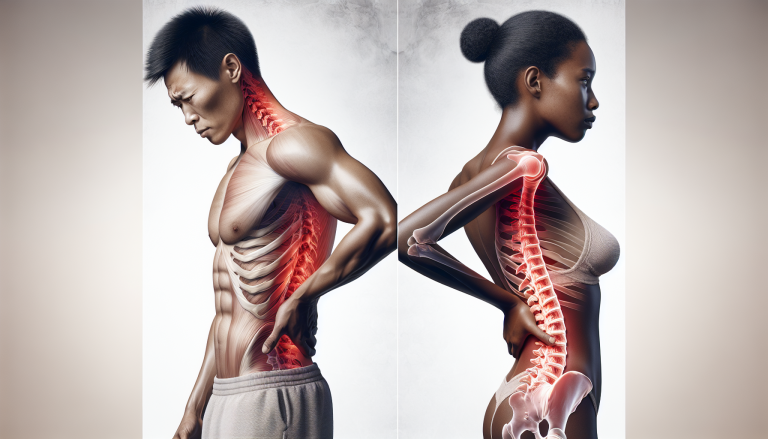
Back pain symptoms can vary from person to person, ranging from a dull ache to a sharp, stabbing sensation. Common symptoms include muscle aches, shooting or stabbing pain, pain that radiates down the leg, and limited flexibility or range of motion of the back. Chronic back pain is defined as pain that persists for 12 weeks or longer.
To diagnose back pain, your doctor will take a thorough medical history and perform a physical examination. They may ask about the onset, location, and severity of your pain, as well as any factors that may aggravate or alleviate it. Imaging tests such as X-rays, CT scans, or MRI scans may be ordered to identify structural problems or rule out specific conditions. In some cases, blood tests or nerve studies may be necessary. An accurate diagnosis is crucial for determining the most appropriate course of treatment for your specific type of back pain.
Over-the-Counter and Prescription Medications for Back Pain Relief
When it comes to managing back pain, over-the-counter (OTC) and prescription medications can offer relief. OTC options like paracetamol, ibuprofen, and naproxen can help reduce inflammation and alleviate mild to moderate back pain. These medications are easily accessible and can be effective for short-term use.
For more severe or chronic back pain, your doctor may prescribe stronger medications such as muscle relaxants, narcotics, or antidepressants. Muscle relaxants can help ease muscle spasms that contribute to back pain, while narcotics like codeine or oxycodone may be prescribed for intense, acute pain. Antidepressants, such as duloxetine or amitriptyline, can also be used to manage chronic back pain by altering pain perception.
It’s essential to follow the recommended dosage and consult with your doctor before starting any medication regimen. While these medications can provide relief, they should be used in conjunction with other back pain treatments and management techniques for optimal results.
Physical Therapy and Exercise for Back Pain Management
Physical therapy and exercise play a crucial role in back pain management and treatment. A skilled physiotherapist can develop a personalised exercise plan to strengthen the muscles supporting your spine, improve flexibility, and reduce pain. Targeted exercises for back pain relief may include stretching, low-impact aerobic activities, and core stabilisation exercises to improve posture and prevent future injuries.
In addition to exercise, physical therapy for back pain may involve manual therapies such as massage, joint mobilisation, and spinal manipulation to alleviate pain and improve range of motion. Heat or cold therapy, electrical stimulation, and ultrasound may also be used to manage pain and promote healing.
Incorporating regular exercise and stretching into your daily routine can help prevent back pain and maintain a healthy spine. By working with a physiotherapist and committing to an active lifestyle, you can effectively manage back pain and improve your overall quality of life.
Lifestyle Changes and Ergonomics for Back Pain Prevention
Preventing back pain often involves making simple lifestyle changes and improving ergonomics. Maintaining a healthy weight through a balanced diet and regular exercise can reduce strain on your back. Engaging in low-impact activities like walking, swimming, or yoga can strengthen your core and back muscles. Proper lifting techniques, such as bending your knees and keeping the object close to your body, can prevent back injuries.
Ergonomics also plays a crucial role in back health. When sitting, use a chair with good lumbar support and keep your feet flat on the ground. Adjust your workspace to ensure your computer screen is at eye level and your keyboard and mouse are within easy reach. Take frequent breaks to stretch and move around. By making these simple adjustments and incorporating healthy habits into your daily routine, you can significantly reduce your risk of developing back pain and enjoy a more comfortable, active life.
Alternative and Complementary Therapies for Back Pain
When it comes to managing back pain, alternative and complementary therapies can offer a holistic approach to relief. Acupuncture, a traditional Chinese medicine technique, involves the insertion of thin needles into specific points on the body to alleviate pain and promote healing. Massage therapy, such as Swedish or deep tissue massage, can help relax tense muscles and improve circulation, thus reducing back pain. Chiropractic care focuses on the alignment of the spine and can provide relief through manual adjustments and manipulations. Yoga and tai chi are gentle forms of exercise that can help stretch and strengthen the muscles supporting the back, improving flexibility and reducing pain. Herbal remedies, such as turmeric, ginger, and devil’s claw, have anti-inflammatory properties that may help alleviate back pain naturally. While these alternative therapies can be beneficial, it’s essential to consult with a healthcare professional to determine the best course of treatment for your specific condition.
Embracing a Holistic Approach to Back Pain Management for Lasting Relief
Embracing a holistic approach to back pain management is key to achieving lasting relief. By combining various treatment methods and lifestyle changes, you can effectively address the root causes of your back pain and improve your overall well-being. This approach may include a combination of physical therapy, exercise, and stretching to strengthen your back muscles and improve flexibility. Additionally, managing stress through relaxation techniques, such as meditation or deep breathing exercises, can help reduce tension in your back and promote healing.
Maintaining a healthy weight, practicing proper lifting techniques, and setting up an ergonomic workspace can also contribute to long-term back pain relief. Don’t forget the importance of getting enough sleep and managing your mental health, as these factors can greatly impact your experience with chronic back pain. By taking a comprehensive approach and working closely with your healthcare provider, you can develop a personalized plan to manage your back pain and enjoy a more comfortable, active lifestyle.