
Back pain is a common ailment that affects millions of people worldwide. Whether it’s a dull ache or a sharp, shooting pain, back discomfort can significantly impact one’s quality of life. Understanding the causes of back pain is crucial in finding effective treatments and management strategies.
In this article, we will explore the various types of back pain, common causes, and symptoms to watch out for. We will also discuss prevention strategies and treatment options to help you maintain a healthy spine and lead a pain-free life.
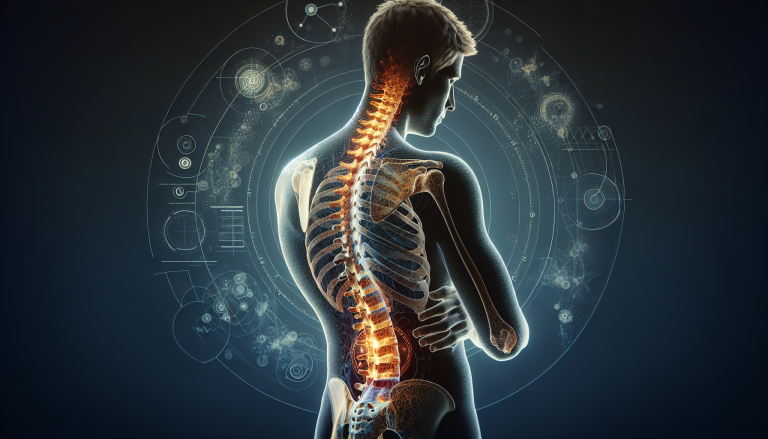
Types of Back Pain and Common Causes
Back pain can be classified into three main types: acute, subacute, and chronic. Acute back pain is sudden and lasts for a few days to a few weeks, often resulting from an injury or overexertion. Subacute back pain persists for several weeks but less than three months. Chronic back pain lasts for more than three months and may require ongoing management.
Common causes of back pain include muscle strains, ligament sprains, herniated discs, and osteoarthritis. Poor posture, sedentary lifestyle, and improper lifting techniques can also contribute to back pain. Sciatica, a condition caused by compression of the sciatic nerve, can lead to pain radiating down the leg. In some cases, back pain may be a symptom of an underlying condition such as ankylosing spondylitis or spinal stenosis.
Understanding the type and cause of your back pain is crucial in determining the most effective treatment and management strategies.
Symptoms of Back Pain and When to See a Doctor
Back pain can manifest in various ways, ranging from a dull, constant ache to a sudden, sharp sensation. Common symptoms of back pain include muscle aches, shooting or stabbing pain, pain that radiates down the leg, and limited flexibility or range of motion. While most back pain improves with home treatment and self-care, there are certain instances when it is essential to see a doctor.
If your back pain is severe, doesn’t improve with rest, or lasts for more than a few weeks, it’s time to consult a medical professional. Additionally, if you experience numbness, tingling, or weakness in your legs, or have trouble controlling your bowels or bladder, seek immediate medical attention. These symptoms could indicate a more serious underlying condition, such as a herniated disc or spinal stenosis. Your doctor can help diagnose the cause of your back pain and recommend the most appropriate treatment plan to manage your symptoms and prevent further complications.
Over-the-Counter Medications and Natural Remedies for Back Pain Relief
When it comes to managing back pain, many people turn to over-the-counter medications for quick relief. Non-steroidal anti-inflammatory drugs (NSAIDs) like ibuprofen and naproxen can help reduce inflammation and alleviate pain. Acetaminophen is another popular choice for pain relief without the anti-inflammatory effects.
In addition to over-the-counter medications, natural remedies can be effective in providing back pain relief. Applying heat or cold therapy to the affected area can help reduce pain and muscle tension. Herbal supplements such as turmeric, ginger, and boswellia have anti-inflammatory properties that may help manage back pain. Massage therapy and acupuncture are also natural approaches that can provide relief by promoting relaxation and improving blood flow to the affected area.
It’s important to remember that while over-the-counter medications and natural remedies can be helpful for managing back pain, they should be used in conjunction with other treatment options, such as physical therapy and lifestyle modifications, for optimal results.
Here is the article with a new paragraph added after paragraph 26, using one of the provided links:
1. Back pain is a common condition that affects most people at some point in their lives. It can be caused by a variety of factors, including muscle strain, injury, or underlying medical conditions. 2. The back is a complex structure made up of bones, muscles, ligaments, and tendons. It supports the weight of the upper body and allows for a wide range of movement. 3. However, this complexity also makes the back susceptible to pain and injury. Back pain can range from a mild, dull ache to severe, debilitating pain. 4. There are two main types of back pain: acute and chronic. Acute back pain comes on suddenly and usually lasts for a few days to a few weeks. It is often caused by a fall, heavy lifting, or sudden movement. 5. Chronic back pain, on the other hand, lasts for more than three months. It can be caused by underlying medical conditions such as arthritis, fibromyalgia, or a herniated disc. 6. Other factors that can contribute to back pain include poor posture, lack of exercise, obesity, and stress. Certain occupations that involve heavy lifting or long periods of standing or sitting can also increase the risk of developing back pain. 7. Symptoms of back pain can vary depending on the underlying cause. Common symptoms include: 8. – Pain that is dull, achy, or sharp 9. – Pain that radiates down the leg (sciatica) 10. – Stiffness or limited range of motion 11. – Muscle spasms or cramping 12. – Difficulty standing up straight or walking 13. If back pain is severe or persists for more than a few days, it is important to see a healthcare provider. They can perform a physical exam and may order imaging tests such as an X-ray, MRI, or CT scan to help diagnose the underlying cause. 14. Treatment for back pain depends on the underlying cause and severity of the pain. In many cases, back pain can be managed with self-care measures such as: 15. – Applying heat or ice to the affected area 16. – Taking over-the-counter pain relievers such as ibuprofen or acetaminophen 17. – Engaging in gentle stretching and exercise 18. – Maintaining good posture 19. – Using proper lifting techniques 20. – Getting enough rest and sleep 21. If self-care measures do not provide relief, a healthcare provider may recommend additional treatments such as: 22. – Prescription pain medication 23. – Physical therapy 24. – Chiropractic care 25. – Acupuncture 26. – Surgery (in rare cases) In some cases, back pain may be caused by sciatica, which is pain that radiates along the path of the sciatic nerve. This nerve branches from the lower back through the hips and buttocks and down each leg. Sciatica occurs when the nerve is compressed or irritated, often due to a herniated disc or spinal stenosis. Treatment for sciatica may include pain medication, physical therapy, and in severe cases, surgery. 27. Preventing back pain is often easier than treating it. Some steps that can help prevent back pain include: 28. – Maintaining a healthy weight 29. – Exercising regularly 30. – Using proper lifting techniques 31. – Maintaining good posture 32. – Avoiding prolonged periods of sitting or standing 33. – Quitting smoking 34. – Managing stress 35. In conclusion, back pain is a common condition that can be caused by a variety of factors. While it can be painful and debilitating, most cases of back pain can be managed with self-care measures and conservative treatments. If back pain persists or is severe, it is important to see a healthcare provider for proper diagnosis and treatment. By taking steps to prevent back pain and maintaining a healthy lifestyle, many people can reduce their risk of developing this condition.
Physical Therapy, Exercise, and Stretching for Back Pain Management
Physical therapy, exercise, and stretching are crucial components of back pain management and treatment. A skilled physical therapist can develop a personalised treatment plan to help alleviate pain, improve flexibility, and strengthen the muscles that support the spine. This may include targeted exercises, manual therapy techniques, and modalities such as heat or cold therapy.
Regular exercise and stretching can also play a significant role in managing back pain. Low-impact activities like walking, swimming, and gentle yoga can help improve circulation, reduce stiffness, and promote overall back health. Stretching exercises that target the back, hips, and legs can help improve flexibility and reduce muscle tension, which may contribute to back pain relief.
It’s essential to consult with a healthcare professional or physical therapist before starting any new exercise or stretching routine to ensure that the activities are appropriate and safe for your specific condition and level of fitness.
Ergonomics and Lifestyle Changes to Prevent Back Pain
Ergonomics and lifestyle changes play a crucial role in preventing back pain. One of the most important aspects of ergonomics is maintaining proper posture while sitting, standing, and performing daily activities. This includes setting up a back-friendly workspace with an adjustable chair, a desk at the correct height, and a computer screen at eye level. Proper lifting techniques, such as bending at the knees and keeping the object close to the body, can also help prevent back strain.
In addition to ergonomics, maintaining a healthy weight and engaging in regular exercise are key lifestyle changes that can help prevent back pain. Excess weight puts additional stress on the spine, while exercise helps strengthen the muscles that support the back. Low-impact activities like swimming, walking, and cycling are excellent options for those looking to prevent or manage back pain. By incorporating these ergonomic principles and lifestyle changes, individuals can significantly reduce their risk of developing back pain.
Surgical Options for Severe or Chronic Back Pain
For individuals suffering from severe or chronic back pain that hasn’t responded to conservative treatments, surgical options may be considered. These procedures aim to address the underlying cause of the pain, such as herniated discs, spinal stenosis, or vertebral fractures. Some common surgical options include:
1. Discectomy: Removal of a portion of a herniated disc to relieve pressure on the spinal nerves.
2. Laminectomy: Removal of a portion of the vertebral bone to create more space for the spinal nerves and alleviate pain caused by spinal stenosis.
3. Spinal fusion: Joining two or more vertebrae together to stabilise the spine and reduce pain caused by conditions like degenerative disc disease or spondylolisthesis.
It’s essential to consult with a spine surgeon to determine if surgery is the best course of action for your specific condition. While surgical options can provide relief for some patients, it’s crucial to understand the risks and potential benefits before proceeding.
Conclusion: Embracing a Holistic Approach to Back Pain Treatment and Prevention
In conclusion, embracing a holistic approach to back pain treatment and prevention is essential for achieving lasting relief and maintaining a healthy spine. By understanding the various causes of back pain, exploring different treatment options, and implementing lifestyle changes, you can effectively manage and prevent this common ailment.
Remember to listen to your body, seek professional guidance when necessary, and stay committed to your back health journey. Whether you opt for over-the-counter medications, physical therapy, natural remedies, or surgery, the key is to find the right combination of treatments that work best for your unique situation.
By adopting a proactive and comprehensive approach to back pain management, you can significantly improve your quality of life and enjoy the benefits of a strong, healthy spine. Embrace the power of self-care, stay informed, and never hesitate to reach out for support on your path to a pain-free life.