
You may not realize that manual therapy for back pain does more than ease sore muscles; it can also improve joint mobility and movement patterns that keep pain going. If you’re dealing with stiffness or mechanical low back pain, targeted hands-on treatment may help reduce tension, restore function, and support recovery. Its benefits are often strongest when matched to the right condition, technique, and exercise plan, which is where the next points matter.
Key Takeaways
- Manual therapy uses hands-on techniques to assess and treat back pain by improving joint mobility, muscle tension, and movement quality.
- It can reduce pain and stiffness, improve function, and make rehabilitation exercises easier to tolerate.
- Common techniques include soft tissue mobilization, joint mobilization, manipulation, myofascial release, and muscle energy techniques.
- It is especially helpful for mechanical, non-specific back pain, lumbar strain, sacroiliac dysfunction, and chronic stiffness-related pain.
- Manual therapy works best as part of a broader rehab plan that includes exercise, posture training, and patient education.
What Is Manual Therapy for Back Pain?
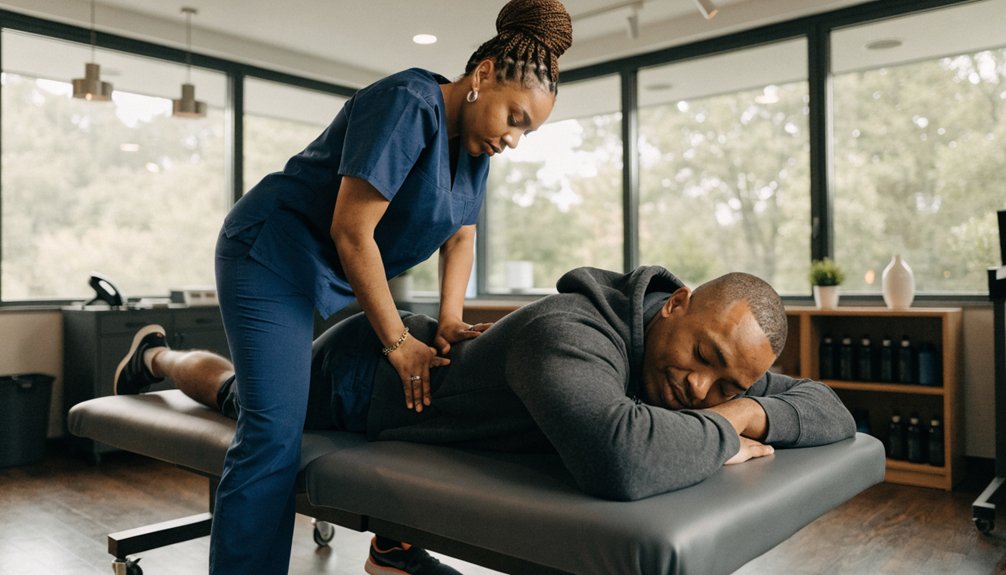
Although back pain can stem from many causes, manual therapy refers to a group of hands-on techniques a qualified clinician uses to assess and treat pain, stiffness, and movement limitations in your spine and surrounding soft tissues. In practice, your provider may evaluate joint mobility, muscle tone, nerve sensitivity, and functional movement to determine whether manual therapy fits your presentation. For back pain, manual therapy is typically integrated into a broader rehabilitation plan, not used as a stand-alone solution. It may include soft tissue mobilization, joint mobilization, or manipulation, depending on your history, irritability, and clinical findings. An evidence-based approach also considers chronic pain mechanisms, your goals, and patient education, so you understand what’s being addressed, what responses are expected, and how treatment aligns with safe, progressive recovery. Within this broader plan, manual therapy is often combined with personalized exercise programs and posture-focused strategies to support long-term back pain management and improve overall function.
How Manual Therapy Relieves Back Pain
Manual therapy can help relieve your back pain by decreasing excessive muscle tension and restoring more normal movement in restricted joints. When your muscles are less guarded and your joints move more freely, you may experience reduced pain, improved function, and better tolerance for rehabilitation exercises. These effects don’t just address symptoms—they can also support your recovery by improving how your spine and surrounding tissues move together. By combining manual therapy with posture training exercises and customized strengthening routines, you can further support spinal stability and reduce the risk of future back pain.
Reducing Muscle Tension
When back muscles stay guarded after strain, overuse, or prolonged sitting, they can restrict movement and amplify pain. Manual therapy can help by decreasing protective muscle activity and improving local circulation. Through targeted soft tissue techniques, your clinician applies graded pressure to areas of tightness, helping promote muscle relaxation and tension release without forcing movement. This approach may reduce tenderness, calm pain-sensitive tissues, and improve your tolerance for daily activity.
You may also notice less stiffness and fewer pain spikes during bending, standing, or walking. As muscle tone normalizes, your nervous system often becomes less reactive, which can support better movement patterns. In rehabilitation, reducing excess tension matters because it helps you participate more comfortably in exercise, posture retraining, and gradual return to normal function over time.
Improving Joint Mobility
Because stiff spinal and pelvic joints can limit how load is shared through your back, restoring joint mobility is often a key part of pain relief and rehabilitation. Manual therapy uses targeted mobilization or manipulation to address segments that aren’t moving well, which can reduce mechanical stress and help adjacent tissues work more efficiently.
When your joints move with less restriction, you may notice easier bending, improved joint flexibility, and less guarding during daily activity. Treatment is typically paired with mobility exercises so gains made during sessions carry over into walking, lifting, and position changes. This combined approach supports better movement patterns, distributes forces more evenly, and may decrease recurrent flare-ups. Your clinician should match techniques to your symptoms, examination findings, and tolerance, then progress care as your mobility and function improve over time.
Which Manual Therapy Techniques Are Used?

Common techniques include soft tissue mobilization, joint mobilization, manipulation, myofascial release, and muscle energy techniques, each selected to address specific pain mechanisms and movement impairments. Your clinician matches the method to your examination findings, irritability level, and functional goals.
Soft tissue mobilization targets guarded muscles and connective tissue to reduce tone and improve glide. Joint mobilization uses graded oscillations to restore accessory motion and decrease pain sensitivity. Manipulation, including some chiropractic adjustments, applies a high-velocity, low-amplitude thrust when indicated to improve mobility. Myofascial release addresses fascial restrictions that may limit comfortable movement. Muscle energy techniques use your gentle, active contractions against resistance to improve range, coordination, and neuromuscular control. In rehabilitation, these approaches are typically combined with exercise, education, and load management for longer-term progress and self-efficacy. At Melbourne Back Pain Treatment, manual therapy is often integrated with tailored exercise routines and stretching to address muscle tightness, improve flexibility, and support long-term back health.
What Back Pain Conditions Can It Help?
Manual therapy can help several back pain presentations, particularly mechanical low back pain linked to joint stiffness, muscle guarding, movement sensitivity, or reduced spinal and pelvic mobility. If your symptoms are aggravated by bending, lifting, prolonged sitting, or shifting movements, it may reduce pain and restore function.
It can also support recovery from acute injuries such as lumbar strain, facet irritation, and sacroiliac dysfunction when serious pathology has been excluded. In chronic conditions, including recurrent nonspecific low back pain, postural overload, and persistent soft tissue restriction, it may improve mobility and help you tolerate exercise more effectively. You may also benefit if pain is associated with compensatory muscle tension around the thoracolumbar region. However, manual therapy is typically most effective when integrated with rehabilitation, activity modification, and progressive strengthening. In many cases of mechanical low back pain without serious structural damage, manual therapy complements conservative care approaches like physical therapy and exercise-based rehabilitation to promote recovery and long-term function.
What Happens During a Manual Therapy Session?
During a manual therapy session, you’ll first undergo an assessment of your symptoms, movement patterns, posture, and joint mobility to help identify contributing factors to your back pain. Based on these findings, your clinician will apply hands-on techniques such as joint mobilization, soft tissue work, or muscle energy methods to reduce pain and improve function. Throughout the session, your response is monitored so treatment can be adjusted to support safe, measurable rehabilitation. For people with osteoarthritis-related back pain, sessions may also include guidance on personalized exercise regimens to improve spine flexibility, strength, and long-term mobility.
Initial Assessment Steps
Before any hands-on treatment begins, your therapist will complete an initial assessment to identify the likely source of your back pain, screen for red flags, and determine whether manual therapy is appropriate. During this initial evaluation, you’ll answer questions about symptom onset, aggravating activities, prior injuries, sleep, and daily function. Your therapist then applies specific assessment criteria to posture, movement quality, neurological signs, and pain behavior.
- You describe when the ache started
- You bend, sit, stand, and walk
- Your posture is observed from several angles
- Reflexes, strength, and sensation are screened
- Functional tasks reveal movement limitations
This structured process helps rule out serious pathology, clarify contributing factors, and guide a rehabilitative plan tailored to your presentation, goals, and current tolerance for activity.
Hands-On Treatment Techniques
Once the assessment identifies the tissues and movements most likely contributing to your pain, treatment becomes more targeted. During a manual therapy session, your clinician uses specific hands-on methods to reduce pain, improve mobility, and support function. You may receive soft tissue work to address muscle guarding, fascial restriction, or tenderness around the lumbar spine and hips.
Your provider may also apply mobilization techniques, which involve graded joint movements designed to restore motion and decrease sensitivity without forcing the area. Depending on your presentation, treatment can include stretching, positional release, or gentle manipulation when clinically appropriate. Throughout the session, your response is reassessed so the approach stays matched to your symptoms and tolerance. Manual therapy is typically paired with exercise, helping you keep gains in movement and build longer-term spinal resilience and control.
When Manual Therapy for Back Pain Works Best
Timing matters: manual therapy tends to work best for back pain when it’s used early in a rehabilitation plan for mechanical, non-specific symptoms such as stiffness, localized pain, and reduced movement rather than signs of serious pathology. You’ll usually respond best when hands-on care is paired with exercise, education, and appropriate treatment frequency. It can calm guarding, improve motion, and make movement feel safer. By combining manual therapy with personalized exercise programs, you can better address core strength, flexibility, and spinal health for more lasting back pain relief.
- A locked lower back easing as you stand taller
- Tight muscles softening under steady, skilled pressure
- Short, careful movements restoring a smoother bend
- A guarded stride becoming more relaxed and even
- Daily tasks feeling less threatening and more manageable
If you’ve had chronic pain, manual therapy may still help, but it’s typically most effective as part of a broader, active rehab strategy rather than a stand-alone fix.
How to Choose the Right Manual Therapist
Because manual therapy works best when it’s matched to the right problem and paired with active rehab, choosing the right clinician matters. You should look for therapist credentials that reflect formal training, licensure, and experience treating spinal pain. A qualified provider will assess your symptoms, screen for red flags, explain findings clearly, and connect hands-on care with exercise and self-management. In addition, some clinicians base their approach on evidence-based guidelines developed by multidisciplinary spine-care experts, which can help standardize care and improve outcomes.
You’ll also want someone who uses manual therapy as one part of a rehabilitation plan, not a stand-alone fix. Ask how progress is measured, how many visits are typically recommended, and whether treatment goals are functional. Patient testimonials can offer context, but they shouldn’t replace clinical reasoning or evidence. Choose a therapist who communicates well, reassesses often, and adjusts care based on your response and current function.
Frequently Asked Questions
Can Manual Therapy Cause Soreness the Next Day?
Yes, you can experience post treatment soreness the next day after manual therapy; it’s usually mild and temporary. Certain therapy techniques may irritate sensitive tissues briefly, but symptoms typically improve with movement, hydration, and monitoring.
How Many Sessions Are Usually Needed for Back Pain Relief?
You’ll typically need 6–12 sessions for back pain relief, though that gentle road varies by severity and response. Your session frequency may be weekly initially, while treatment duration often spans several weeks within a rehabilitative, evidence-based plan.
Is Manual Therapy Covered by Health Insurance Plans?
Yes, manual therapy may be covered, but you’ll need to review your insurance policies and provider network. Your coverage options often depend on diagnosis, medical necessity, referrals, visit limits, and whether a licensed rehabilitation clinician delivers treatment.
Are There Any Risks or Side Effects?
Yes, you can experience mild soreness, temporary stiffness, or fatigue; rarely, you could face potential complications like nerve irritation. Clinically, screening reduces risk, and manual therapy benefits often outweigh side effects when treatment’s individualized and monitored.
Can I Combine Manual Therapy With Exercise or Medication?
Yes, you can combine manual therapy with exercise and medication, provided your clinician monitors exercise synergy and any medication interaction. You’ll often achieve better pain control, mobility, and function through an individualized, evidence-based rehabilitative plan.