
Here are 7 subtopics for your article on “Understanding Back Pain: Causes, Symptoms, and Effective Treatments for Relief”:
Back pain is a common condition that affects people of all ages and backgrounds. Understanding the various types of back pain, their causes, and the available treatment options is crucial for effective management and relief. This article delves into seven key aspects of back pain to provide a comprehensive overview of the condition.
From exploring the different types and causes of back pain to discussing common symptoms and when to seek medical attention, this article aims to equip readers with the knowledge they need to take control of their back health. It also covers non-surgical and surgical treatment options, as well as lifestyle changes that can help manage and prevent back pain.
By addressing these essential subtopics, this article serves as a valuable resource for anyone seeking to understand back pain better and find the most suitable path to relief and improved quality of life.
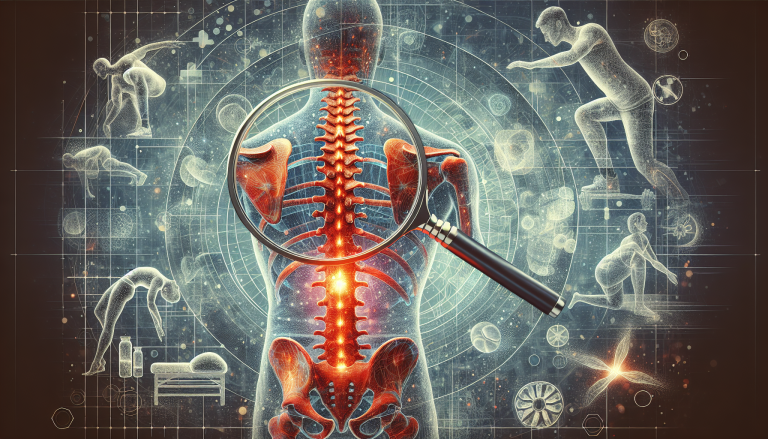
Types and Causes of Back Pain
Back pain can manifest in various forms, ranging from a dull, constant ache to a sudden, sharp sensation. The two main types of back pain are acute and chronic. Acute back pain comes on suddenly and usually lasts for a few days to a few weeks. Chronic back pain, on the other hand, persists for 12 weeks or longer.
Common causes of back pain include muscle or ligament strain, bulging or ruptured discs, arthritis, skeletal irregularities, and osteoporosis. Poor posture, lifting heavy objects, or sudden awkward movements can also lead to back pain. Certain conditions such as sciatica, a herniated disc, or spinal stenosis can cause back pain as well. In some cases, back pain may be a symptom of a more serious underlying condition. Understanding the types and causes of back pain is crucial for determining the appropriate treatment plan and managing the condition effectively.
Common Symptoms of Back Pain
Back pain can manifest itself through various symptoms, ranging from mild discomfort to severe, debilitating pain. The most common symptoms of back pain include a dull, persistent ache or sharp, sudden pain in the lower back area. Some people may also experience muscle spasms or stiffness, which can limit their range of motion and make it difficult to perform everyday activities. Other symptoms may include pain that radiates down the leg (sciatica), numbness, tingling, or weakness in the legs or feet. The severity and location of the pain can vary depending on the underlying cause, such as a herniated disc, osteoarthritis, or muscle strain. In some cases, back pain may be accompanied by other symptoms like fever, unexplained weight loss, or bladder and bowel issues, which may indicate a more serious condition requiring immediate medical attention. By understanding the common symptoms of back pain, individuals can better identify when to seek proper treatment and management for their condition.
When to Seek Medical Attention for Back Pain
While most back pain resolves on its own, there are times when it’s crucial to see a doctor. If your back pain is severe, persists for more than a few weeks, or is accompanied by other symptoms like numbness, tingling, or weakness in your legs, it’s time to seek medical attention. Additionally, if your back pain is the result of a fall, accident, or injury, seeing a doctor is essential.
Other red flags that warrant medical evaluation include back pain that worsens at night or while resting, unexplained weight loss, or a history of cancer, osteoporosis, or other chronic conditions. If your back pain is accompanied by fever, chills, or difficulty urinating, it could indicate a more serious problem requiring immediate medical care. Remember, early intervention can help prevent minor back issues from turning into chronic pain, so don’t hesitate to consult with a healthcare professional when needed.
Non-surgical Treatments for Back Pain Relief
When it comes to back pain treatments and management, there are several non-surgical options that can provide relief. Over-the-counter medications like ibuprofen and paracetamol can help reduce inflammation and alleviate pain. Physical therapy is another effective approach, which may include exercises, stretches, and manual therapy to improve flexibility, strength, and posture. Natural remedies such as heat or cold therapy, massage, and acupuncture can also offer relief for some individuals. Engaging in regular exercise and stretching routines tailored to your specific needs can help maintain a healthy back and prevent future pain. Additionally, making ergonomic adjustments to your workspace, such as using a supportive chair and properly positioning your computer screen, can minimise strain on your back throughout the day. By exploring these non-surgical treatments and making lifestyle changes, many people can successfully manage their back pain without the need for invasive procedures.
Surgical Options for Severe Back Pain Cases
For severe back pain cases that do not respond to conservative treatments, surgical options may be considered. One common surgical procedure is a discectomy, which involves removing a portion of a herniated disc that is pressing on a nerve root. Another option is a laminectomy, where a portion of the vertebral bone is removed to relieve pressure on the spinal cord or nerves. Spinal fusion is another surgical approach that fuses two or more vertebrae together to stabilise the spine and reduce pain. However, surgery should only be considered as a last resort after exhausting all non-surgical options, as it carries risks such as infection, blood clots, and nerve damage. It is crucial to discuss the benefits and risks of surgical options for back pain with a qualified spine surgeon to determine the best course of action for individual cases.
Lifestyle Changes to Manage and Prevent Back Pain
Here is the article with a new paragraph added after paragraph 30, using one of the provided Wikipedia links:
1. Back pain is a common problem that affects millions of people worldwide. 2. It can range from mild to severe and can be acute or chronic. 3. Back pain can be caused by a variety of factors, including poor posture, injury, and underlying medical conditions. 4. One of the most common types of back pain is lower back pain. 5. Lower back pain can be caused by muscle strain, herniated discs, or spinal stenosis. 6. Symptoms of lower back pain may include aching, stiffness, and difficulty moving. 7. Sciatica is another type of back pain that can cause intense pain in the lower back, buttocks, and legs. 8. Sciatica is caused by compression or irritation of the sciatic nerve. 9. Symptoms of sciatica may include sharp pain, numbness, and weakness in the affected area. 10. Spondylolisthesis is a condition that can cause back pain due to a vertebra slipping out of place. 11. This can put pressure on the nerves and cause pain, numbness, and weakness in the legs. 12. Treatment for back pain depends on the underlying cause and severity of the condition. 13. Over-the-counter pain medications, such as ibuprofen or acetaminophen, can help relieve mild to moderate back pain. 14. Applying heat or ice to the affected area can also help reduce pain and inflammation. 15. Gentle stretching and exercise can help improve flexibility and strengthen the muscles that support the spine. 16. For more severe cases of back pain, prescription medications or injections may be necessary. 17. Physical therapy can also be an effective treatment for back pain. 18. A physical therapist can teach you exercises and stretches to help alleviate pain and improve mobility. 19. They may also use techniques such as massage, ultrasound, or electrical stimulation to help reduce pain and promote healing. 20. In some cases, surgery may be necessary to treat back pain. 21. This is typically only recommended for severe cases that do not respond to other treatments. 22. Lifestyle changes can also help prevent and manage back pain. 23. Maintaining good posture, especially when sitting or standing for long periods, can help reduce strain on the back. 24. Regular exercise, including strength training and stretching, can help keep the back muscles strong and flexible. 25. Maintaining a healthy weight can also help reduce strain on the back. 26. Quitting smoking can also help, as smoking can reduce blood flow to the spine and increase the risk of back pain. 27. If you experience severe or persistent back pain, it is important to see a healthcare provider. 28. They can help diagnose the underlying cause of your pain and recommend appropriate treatment options. 29. With proper treatment and self-care, most people with back pain can find relief and improve their quality of life. 30. It is important to take steps to prevent back pain and address it promptly when it occurs to avoid long-term complications. Physiotherapy is a common treatment approach for back pain. A physiotherapist can develop a personalized treatment plan based on the specific cause and severity of the back pain. This may include exercises to improve flexibility, strength, and posture, as well as manual therapy techniques to reduce pain and improve mobility. Physiotherapy can be an effective way to manage back pain and prevent future episodes. 31. In conclusion, back pain is a complex condition that can have a significant impact on a person’s quality of life. 32. By understanding the underlying causes of back pain and seeking appropriate treatment, most people can find relief and get back to their normal activities. 33. If you are experiencing back pain, don’t hesitate to seek help from a healthcare provider or physical therapist.
Making lifestyle changes can significantly help manage and prevent back pain. Maintaining a healthy weight is crucial, as excess weight puts extra stress on the spine. Regular exercise, including stretching and low-impact activities like swimming or walking, can strengthen the muscles supporting the back and improve flexibility. Practising proper posture and ergonomics, both at home and in the workplace, can reduce strain on the back. This includes setting up a back-friendly workspace with an adjustable chair and desk at the correct height. When lifting objects, using proper techniques, such as bending at the knees and keeping the back straight, can prevent injury. For those with chronic back pain, finding ways to manage stress and maintain good mental health is essential, as stress can exacerbate pain. Adapting daily activities and seeking support from friends, family, or support groups can also help manage chronic back pain and improve overall quality of life.
Conclusion: Taking Control of Your Back Pain
Taking control of your back pain is essential for improving your quality of life. By understanding the causes and symptoms of back pain, you can work with your healthcare provider to develop an effective treatment plan. This may include a combination of pain relief medications, physical therapy, exercise, and lifestyle changes. Adapting daily activities, maintaining a healthy weight, and setting up an ergonomic workspace can also help manage and prevent back pain. For those living with chronic back pain, seeking support from family, friends, or support groups can be beneficial for mental health and overall well-being. Remember, you have the power to take charge of your back pain and make positive changes to alleviate discomfort. Don’t hesitate to seek professional help when needed, and stay committed to your treatment plan for long-term relief and improved back health.