
About 80% of adults experience lower back pain at some point, and most cases are mechanical rather than dangerous. If that’s you, treatment usually works best when you stay active, improve spinal and hip mechanics, and use short-term pain relief strategically. Physical therapy, exercise, heat, and common medicines can help, while procedures are reserved for stubborn cases. The key is knowing which approach fits your symptoms and when to escalate care.
Key Takeaways
- Stay active, use heat, and take brief nonprescription anti-inflammatory medicine to reduce pain and prevent stiffness.
- Start physical therapy with targeted exercises for core strength, gluteal support, flexibility, and improved posture.
- Use medicines like NSAIDs, acetaminophen, muscle relaxants, or topical treatments for short-term symptom relief.
- Consider injections or other procedures only if pain persists and symptoms match a clear structural source.
- Prevent flare-ups with ergonomic changes, regular walking, weight control, and changing positions every 30 to 45 minutes.
First-Line Treatment for Mechanical Lower Back Pain

For most cases of mechanical lower back pain, first-line treatment starts with staying as active as you can tolerate, because prolonged bed rest tends to increase stiffness, reduce spinal and hip muscle function, and slow recovery. You’ll usually do best with short-term symptom control while avoiding movements that sharply aggravate loading, twisting, or sustained flexion. Heat, brief use of nonprescription anti-inflammatory medication if appropriate, and pacing daily tasks can reduce pain enough to keep you moving. Chiropractic care may help when joint restriction and muscle guarding contribute to altered mechanics, especially alongside advice on posture, lifting strategy, and sleep setup. You should also prioritize lifestyle modifications such as weight management, smoking cessation, and regular walking, because these factors influence tissue tolerance, inflammation, and the mechanical stress placed on your lumbar spine. In addition, incorporating targeted exercise to improve core strength and flexibility helps support the spine and may reduce the risk of future low back pain episodes.
Physical Therapy and Exercise for Lasting Relief
Once your pain is controlled enough to tolerate movement, physical therapy and targeted exercise become the main tools for lasting relief because they restore lumbar, hip, and trunk mechanics rather than only masking symptoms. Your program should match your movement deficits: hip mobility limits, trunk endurance loss, poor load transfer, or faulty bending patterns. Evidence supports progressive core stabilization, gluteal strengthening, and graded aerobic activity to reduce recurrence and improve function. Specific stretching techniques can address hamstring, hip flexor, and piriformis tightness when those restrictions increase lumbar stress. You’ll also work on posture correction, but not by rigidly “holding” yourself upright; instead, you learn neutral alignment, bracing, and efficient changes between sitting, standing, lifting, and walking. Done consistently, these exercises retrain movement, improve tissue tolerance, and support durable recovery over time. In many cases, integrating personalized physiotherapy with these exercises further improves mobility, posture, and long-term pain control by targeting the specific root causes of your back pain.
Medicines That Can Ease Lower Back Pain
Although medication can reduce pain enough to help you sleep, move, and participate in rehabilitation, it works best as a short-term support rather than a stand-alone fix for lower back pain.
| Type | Role |
|---|---|
| NSAIDs | Reduce inflammatory sensitization |
| Acetaminophen | May help mild pain |
| Muscle relaxants | Short-term spasm relief |
| Topicals | Target localized tissue pain |
|
prescription options | Reserved when symptoms limit function |
You’ll usually start with over the counter medications, especially NSAIDs, if your stomach, kidneys, and cardiovascular history allow. These can lower pain signals so you can tolerate walking, hip hinging, and core retraining. Acetaminophen may help some people, though evidence is weaker. If spasm dominates, prescription options like muscle relaxants may briefly improve movement. Use the lowest effective dose and reassess frequently with your clinician. For more persistent symptoms, medications are often combined with physical therapy and other active treatments to improve mobility and long-term outcomes.
When Mechanical Lower Back Pain Needs Procedures
When pain persists despite a well-executed course of exercise, activity modification, and short-term medication, procedures may be considered to reduce a specific pain generator that’s blocking function. Your clinician will first match symptoms, exam findings, and diagnostic imaging to likely structures, such as a facet joint, irritated nerve root, or sacroiliac joint. If the source remains uncertain, you may need targeted diagnostic injections to confirm which tissue is driving pain. Therapeutic options can include epidural steroid injections for radicular irritation, medial branch blocks followed by radiofrequency ablation for facet-mediated pain, or sacroiliac joint injections. These aren’t first-line treatments, but they can create a window for movement restoration. Surgical interventions are typically reserved for persistent neurologic deficit, structural instability, or disabling pain that correlates clearly with imaging and functional loss. In cases of severe, chronic mechanical pain with confirmed structural pathology, procedures such as spinal fusion or disc replacement may be considered to improve stability and reduce symptoms.
Daily Habits That Help Prevent Flare-Ups
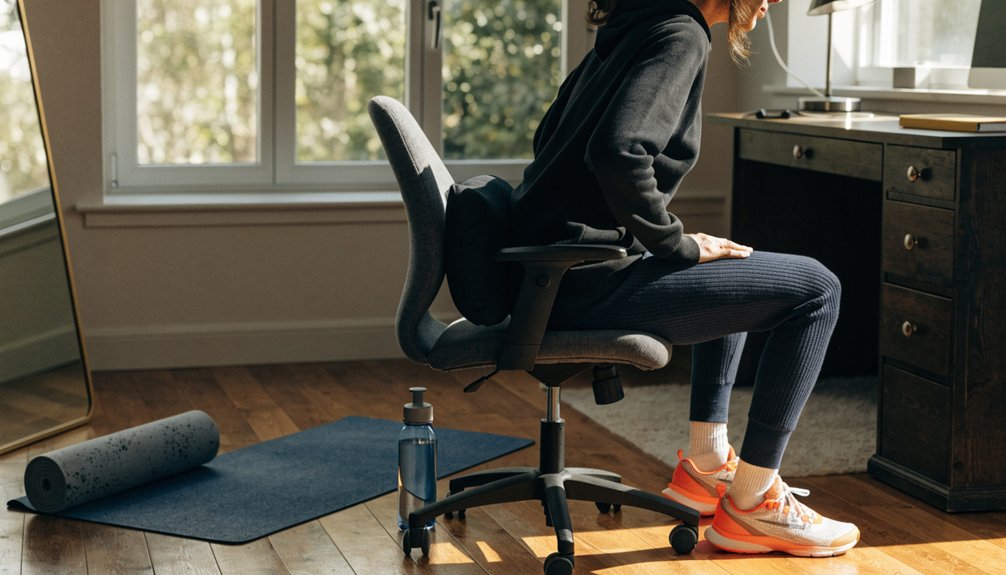
Because recurrent low back pain is often triggered by cumulative mechanical stress rather than a single movement, your daily habits matter as much as formal treatment. You can reduce flare-ups by controlling spinal load, limiting prolonged flexion, and improving muscular endurance. Evidence supports ergonomic adjustments and targeted lifestyle modifications that decrease repeated tissue irritation and enhance movement efficiency. Simple changes such as optimizing ergonomic furniture and posture at your desk can further decrease mechanical strain on the spine throughout the day.
- Change positions every 30–45 minutes to reduce disc and facet joint stress.
- Use hip hinging when lifting, keeping loads close to your center of mass.
- Walk daily to promote circulation, trunk activation, and stiffness reduction.
- Maintain sleep posture with neutral spine support to minimize overnight strain.
You’ll also do better when you pace activity, avoid sudden volume spikes, and stay consistent with home exercises prescribed to reinforce lumbar stability.
Frequently Asked Questions
Can Stress or Anxiety Make Mechanical Lower Back Pain Feel Worse?
Yes—just when your back flares, stress impact and anxiety effects can heighten muscle tension, pain sensitivity, and guarding. You’ll often feel worse biomechanically, but relaxation, graded movement, and targeted exercise can help calm symptoms.
How Can I Tell Mechanical Back Pain From Kidney Pain?
You can use symptom comparison: mechanical pain usually changes with movement, posture, or lifting, while kidney pain stays deeper, higher, and constant. For diagnosis tips, watch for fever, urinary changes, nausea, or blood.
Does Sleeping Position Affect Recovery From Mechanical Lower Back Pain?
Like alignment in a bridge, yes—your sleeping position can affect recovery by reducing spinal load. You’ll improve outcomes with supportive sleeping surfaces, proper pillow support, and side-lying or supine positions that maintain neutral posture.
Are Certain Jobs More Likely to Cause Mechanical Lower Back Pain?
Yes, you’re more likely to develop mechanical lower back pain in jobs involving repetitive lifting, prolonged sitting, vibration, or twisting. You’ll reduce spinal load through ergonomic practices, strengthening, movement breaks, and targeted job modifications.
When Should I Worry That Lower Back Pain Is Something Serious?
You should worry when lower back pain includes red flags: weakness, numbness, fever, trauma, weight loss, or bladder changes. These can signal underlying conditions needing prompt evaluation, imaging, and treatment beyond typical biomechanical back pain.