
If you’ve ever had sharp low back pain after lifting a box, you know rest alone doesn’t fully solve the problem. Combining manual therapy with exercise can help you move with less pain while rebuilding strength and control. Hands-on treatment may reduce stiffness and muscle guarding, but exercise is what helps those gains last. The key is knowing when this approach fits, and what to avoid if you want better long-term results.
Key Takeaways
- Manual therapy can quickly reduce pain and muscle guarding, making movement feel easier and less threatening.
- Exercise builds lasting strength, mobility, and control, helping back pain improve beyond short-term symptom relief.
- This combination works best for mechanical low back pain that changes with movement, position, or walking.
- Treatment usually starts with pain-calming hands-on care and gentle mobility, then progresses to strength, endurance, and functional loading.
- Avoid relying only on passive treatment; stay active, progress gradually, and use consistent movement habits to prevent recurrence.
Why Combine Manual Therapy and Exercise?
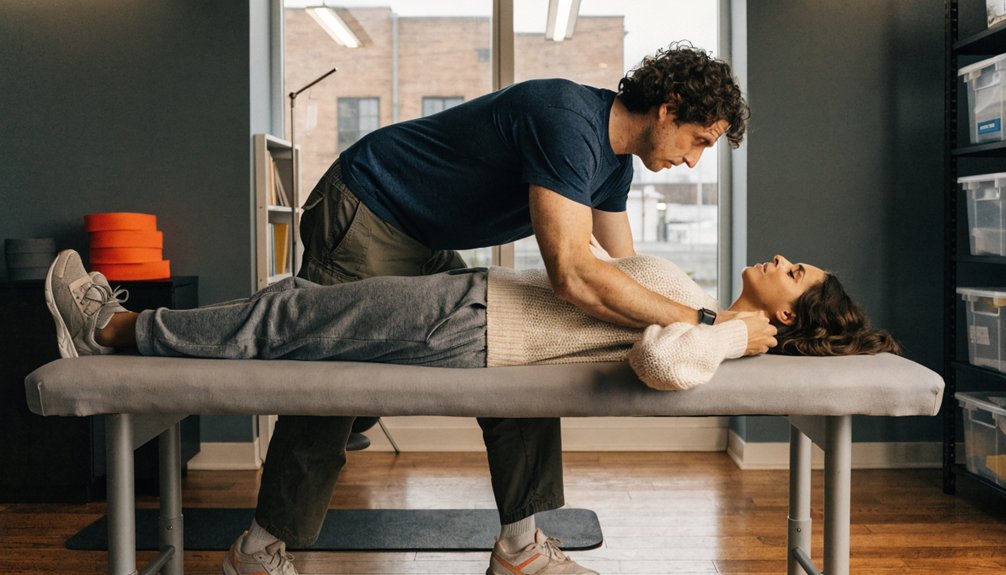
While hands-on treatment can ease pain and reduce muscle guarding in the short term, exercise helps you restore strength, mobility, and control so the improvement lasts. Used together, they support better outcomes than either approach alone because you’re addressing both symptoms and the movement patterns that may keep your back irritated. Exercise builds tissue tolerance, improves coordination, and helps you return to bending, lifting, walking, and sitting with more confidence. That’s why a holistic approach matters: you’re not just chasing temporary relief, you’re improving how your body functions. Patient education also plays a key role, so you understand pacing, load management, and which movements are safe. When you pair guided exercise with supportive care, you’re more likely to regain independence and maintain progress over time with fewer setbacks. This combined approach aligns with evidence-based, patient-centric pain management that focuses on long-term relief, posture correction, and non-surgical care.
How Manual Therapy Helps Back Pain
Manual therapy can help calm pain by reducing sensitivity in irritated tissues and supporting your nervous system’s ability to tolerate movement. It can also improve spinal mobility, making it easier for you to bend, rotate, and return to daily activities with better control. When paired with active rehab, it helps you move with less pain and build lasting function. By combining manual techniques with guided therapeutic exercises, physical therapy can reduce pain, improve mobility, and support long-term recovery and prevention of future back injuries.
Pain Relief Mechanisms
Because back pain is often shaped by both tissue sensitivity and how your nervous system interprets movement, manual therapy may help by temporarily reducing pain, easing muscle guarding, and improving how comfortably you can move.
- Hands-on input can calm sensitive pain pathways, lowering threat signals reaching your brain.
- Reduced guarding may let nearby muscles relax, so movement feels less effortful and less alarming.
- Positive, tolerable touch paired with motion can support helpful neuroplastic changes, reshaping how you experience bending, walking, and daily tasks.
- Short-term symptom relief often creates a window where you can practice exercises with better confidence, control, and load tolerance.
You’ll likely get the best results when manual therapy isn’t used alone, but as a bridge to active rehabilitation that reinforces safer, stronger movement patterns.
Improved Spinal Mobility
If your back feels stiff or guarded, hands-on techniques can sometimes help restore enough spinal mobility to make everyday movement feel smoother and less restricted. Manual therapy may reduce joint stiffness, ease muscle guarding, and improve your tolerance for bending, reaching, and walking. That short-term window can help you practice mobility exercises with better control and less compensation.
| Manual therapy effect | Movement benefit |
|---|---|
| Less stiffness | Easier bending |
| Reduced guarding | Better spinal flexibility |
Used alone, gains may fade. Paired with rehab, they’re more likely to stick. Your clinician can use mobilization or manipulation to create movement options, then guide you into repeated, comfortable motions that reinforce them. Over time, you’re not just moving more—you’re moving with more confidence, coordination, and efficiency during daily tasks and exercise.
How Exercise Supports Lasting Back Pain Relief
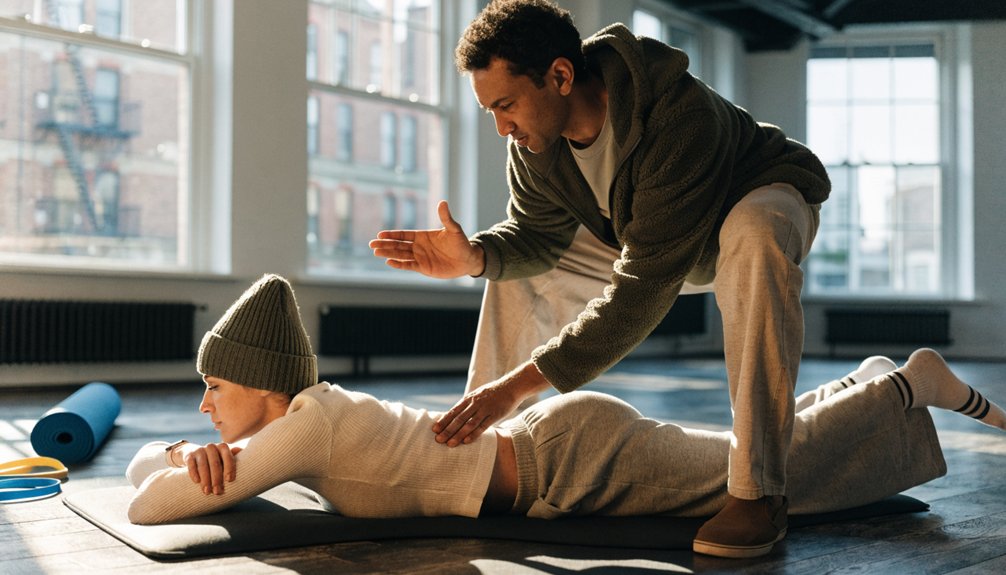
Although rest can calm a flare-up, lasting back pain relief usually comes from gradually restoring movement, strength, and confidence through exercise. Done consistently, exercise helps desensitize painful tissues, improve load tolerance, and rebuild efficient body mechanics for daily tasks. Focus on:
- Strength training to support spinal tissues and improve force distribution.
- Flexibility exercises and core stability to restore motion and control.
- Posture improvement and aerobic conditioning to reduce stiffness and boost endurance.
- Recovery strategies and lifestyle modifications to reinforce progress between sessions.
As you practice, your nervous system learns that movement is safe again. That’s why rehabilitative exercise isn’t just about muscles; it also improves coordination, confidence, and pacing. Over time, you can move more freely, tolerate activity better, and reduce recurring pain episodes. Regular exercise that targets strength, flexibility, and spinal health plays a key role in preventing future episodes of low back pain.
When This Combination Works Best
This combination tends to work best when your back pain is mechanical, movement-sensitive, and not driven by a serious underlying condition. You’ll usually get the most benefit when you start with pain-calming strategies, then progress to graded exercise as your symptoms settle and your tolerance improves. Matching the timing and progression to your irritability level helps you restore function without overloading healing tissues. This approach also aligns with guideline recommendations for early mobilization and active management in acute low back pain.
Ideal Pain Conditions
Because back pain responds differently to load, position, and irritation level, this combination tends to work best for mild to moderate mechanical back pain—especially stiffness after sitting, muscle tension, exercise-related soreness, and flare-ups linked to poor movement tolerance rather than serious injury.
It may suit you best when symptoms fit patterns seen in both chronic conditions and acute episodes, including:
- Pain that eases with changing positions or walking.
- Localized low back aching without progressive neurological signs.
- Stiffness, guarding, or muscle spasm that limits normal bending and rotation.
- Recurrent discomfort tied to deconditioning, lifting tolerance, or sustained postures.
Manual therapy can reduce sensitivity and restore motion, while exercise helps you reload tissues, improve control, and build confidence through symptom-guided movement.
Timing And Progression
When symptoms are irritable but not escalating, combining manual therapy with exercise usually works best early in a flare to calm pain, reduce guarding, and restore enough motion for you to start moving well again.
| Phase | Manual therapy goal | Exercise focus |
|---|---|---|
| Early | Settle pain, improve motion | Gentle mobility, breathing |
| Middle | Reduce stiffness | Motor control, walking |
| Late | Minimal use | Strength, endurance, loading |
Use timing strategies that match irritability: more hands-on care first, then taper as you tolerate more movement. Your progression techniques should be symptom-guided, not time-driven. If pain eases within twenty-four hours, you can increase range, repetitions, or load slightly. If symptoms spike or linger, scale back and keep moving within tolerance. That approach builds confidence, function, and durable recovery over time safely.
What a Back Pain Treatment Plan Looks Like
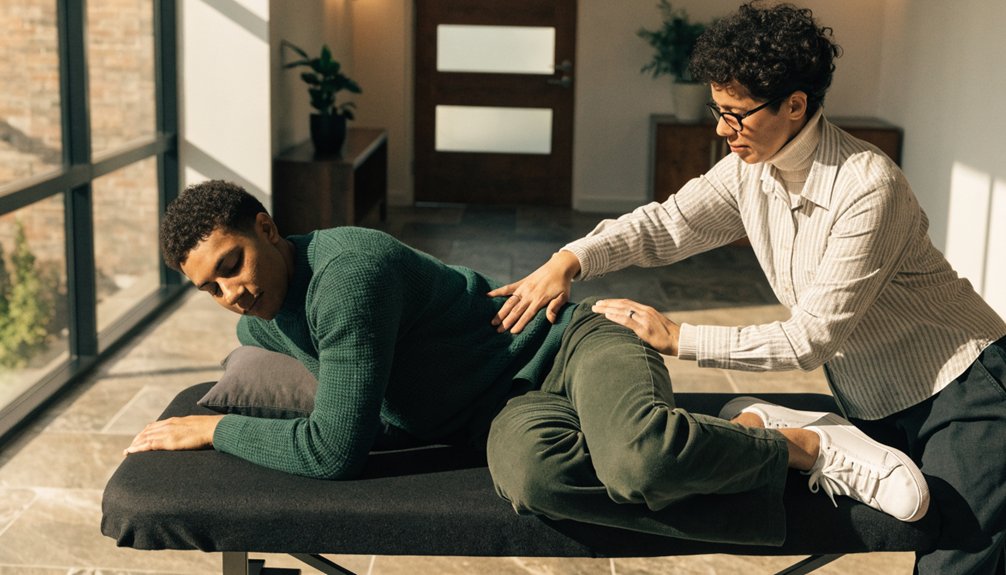
Although back pain can feel unpredictable, an effective treatment plan usually follows a clear progression: calm irritated tissues, restore comfortable movement, rebuild strength and endurance, and gradually return you to normal daily activity.
- You’ll begin with a pain assessment to identify aggravating movements, easing positions, and functional limits.
- Next, your clinician will set treatment goals with you, using manual therapy and gentle mobility work to reduce sensitivity and improve confidence.
- As symptoms settle, you’ll progress to targeted exercises that restore spinal control, hip mobility, and trunk endurance needed for lifting, sitting, and walking.
- Finally, you’ll build tolerance through graded activity, so everyday tasks feel safer, easier, and more sustainable.
Your plan should be adjusted from session to session, based on response, function, and measurable progress over time. A comprehensive plan may also include education on proper lifting techniques and everyday ergonomics to reduce strain on your back and help prevent future flare-ups.
Common Back Pain Mistakes to Avoid
Even with a solid treatment plan, a few common mistakes can keep back pain lingering longer than it should. You might rest too much, skip prescribed exercises, or push through sharp pain instead of modifying movement. Evidence shows graded activity supports tissue tolerance, while prolonged inactivity can increase stiffness and fear. In some cases of persistent or severe symptoms, understanding options like spinal fusion surgery can help you make informed decisions in partnership with your specialist.
| Mistake | Better approach |
|---|---|
| Bed rest for days | Take short walks |
| Ignoring form | Use controlled movement |
| Poor desk setup | Make ergonomic adjustments |
| Doing too much too soon | Progress exercise gradually |
You’ll also want to avoid relying only on passive care. Manual therapy can reduce symptoms, but exercise helps restore strength, mobility, and confidence. Small lifestyle modifications, like changing lifting mechanics or breaking up sitting time, can improve how your back handles daily demands with less strain.
How to Keep Back Pain From Coming Back
To keep back pain from coming back, focus on building consistent movement habits rather than waiting until symptoms flare. Research supports gradual loading, varied positions, and regular exercise to improve tissue tolerance and reduce recurrences. Evidence-based guidelines for adult acute and subacute low back pain highlight the value of ongoing, active self-management strategies to support long-term outcomes. Your best preventive strategies combine strength, mobility, and recovery habits that fit daily life.
- Walk, hinge, reach, and change positions often so your spine doesn’t stay stressed in one pattern.
- Strengthen your trunk, hips, and legs two to three times weekly to improve support during lifting and bending.
- Use lifestyle modifications like better sleep, stress management, and pacing, since pain sensitivity rises when recovery slips.
- Resume flare-provoking tasks progressively instead of avoiding them, so your back rebuilds confidence and capacity.
Done consistently, these steps help you stay active, resilient, and less reactive.
Frequently Asked Questions
Can Stress or Poor Sleep Make Back Pain Harder to Treat?
Yes—stress and poor sleep can make your back pain harder to treat by increasing sensitivity, slowing recovery, and reducing exercise tolerance. Prioritizing stress management and sleep hygiene can improve rehab outcomes and support movement.
How Long Should I Wait Before Seeking Help for Back Pain?
You should seek help if your back pain lasts over two weeks; about 80% of people experience back pain sometime. If pain duration worsens despite self care strategies, movement-based rehab can support faster recovery.
Are Imaging Tests Always Necessary for Diagnosing Back Pain?
No, you don’t always need imaging tests for back pain; they’re often unnecessary without red flags. Because of imaging limitations, your clinician improves diagnosis accuracy through history, movement assessment, symptoms, and monitoring your functional recovery.
Can My Mattress or Office Chair Affect Back Pain Recovery?
Yes—your mattress and chair can influence recovery; about 80% of adults experience back pain. You’ll recover better with appropriate mattress support and chair ergonomics, while staying active, changing positions often, and progressively rebuilding tolerance.
What Warning Signs Mean Back Pain Needs Urgent Medical Attention?
You need urgent care if back pain includes red flags like weakness, numbness, bowel or bladder changes, fever, unexplained weight loss, trauma, or night pain, because these can signal serious conditions needing immediate medical assessment.