
You shift in your chair, measuring each movement against the pull in your lower back. If surgery isn’t the right first step, you still have several evidence-based options that can reduce pain and improve function. Physical therapy, medication, injections, and hands-on care each work through different mechanisms and fit different causes of back pain. The key is knowing which approach matches your symptoms, severity, and goals.
Key Takeaways
- Heat, topical NSAIDs, and oral anti-inflammatories often ease acute mechanical back pain by reducing inflammation and improving comfort.
- Physical therapy uses movement, posture correction, and core strengthening to restore function, reduce stiffness, and prevent future flare-ups.
- Muscle relaxants can relieve spasm-related pain, but sedation is common and they do not fix the underlying cause.
- Image-guided steroid injections place anti-inflammatory medicine near irritated nerves or joints, offering temporary relief that can support rehabilitation.
- Chiropractic manipulation, massage, and acupuncture may provide short-term relief for mechanical back pain by improving motion and reducing muscle tension.
Which Non-Surgical Back Pain Treatments Help Most?
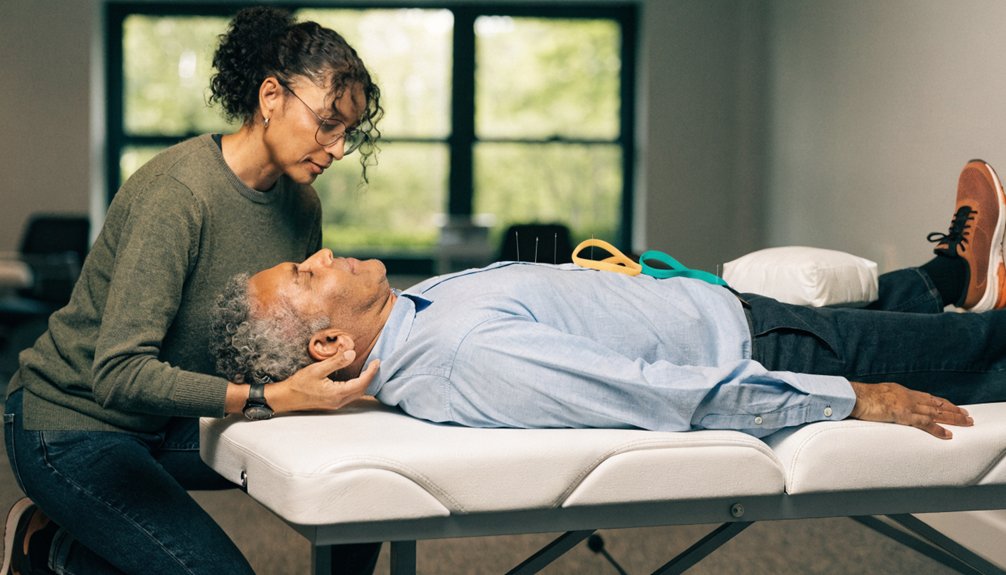
Which non-surgical back pain treatments help most depends on the cause, symptom duration, and whether pain is localized or accompanied by leg symptoms, numbness, or weakness. For acute mechanical pain, you’ll often improve with short-term heat, topical NSAIDs, or oral anti-inflammatory medication when appropriate. If muscle spasm predominates, limited use of a muscle relaxant may help, though sedation is common. For persistent or radiating pain, clinicians may consider image-guided steroid injections when inflammation is suspected, especially with nerve root irritation. Evidence for acupuncture benefits is modest but supports short-term pain reduction in some patients. Certain yoga techniques may reduce pain sensitivity and stress when symptoms are stable, but they aren’t first-line during severe flare-ups. Red flags, progressive weakness, or bowel or bladder changes require urgent medical evaluation. Clinicians often rely on evidence-based guidelines such as the ICSI Adult Acute and Subacute Low Back Pain guideline to select and sequence these non-surgical treatments for the best patient outcomes.
Physical Therapy and Exercise for Back Pain
Movement is often the cornerstone of non-surgical back pain care because prolonged rest usually delays recovery and reduces conditioning. Through physical therapy, you’ll typically follow an individualized plan based on your symptoms, mobility limits, strength deficits, and functional goals. Early treatment often emphasizes pain-free movement, posture correction, and activity modification so you can stay active without worsening irritation. As you progress, therapeutic exercises help improve spinal stability, flexibility, endurance, and hip or core strength that supports your back during daily tasks. Your therapist may also use manual therapy to reduce stiffness, improve joint motion, and ease muscle guarding when appropriate. Evidence suggests that consistent, graded exercise can reduce pain, improve function, and lower recurrence risk, especially when you continue the program independently and gradually return to normal activity levels. Over time, integrating posture training and regular exercise into your routine can further reduce strain on your spine and help prevent chronic back pain.
How Medications and Injections Relieve Back Pain
Although medication and injection-based treatments don’t correct the underlying mechanical cause of most back pain, they can reduce inflammation, calm nerve irritation, and improve comfort enough for you to stay active and participate in rehabilitation.
Common medication types include acetaminophen, nonsteroidal anti-inflammatory drugs, short-term muscle relaxants, and selected neuropathic agents when radiating pain suggests nerve involvement. Opioids aren’t first-line because benefits are limited and risks are significant. If symptoms persist, your clinician may consider injection techniques such as epidural steroid injections, facet joint injections, or selective nerve root blocks. These procedures deliver anti-inflammatory medication near the suspected pain generator, which may reduce swelling and interrupt pain signaling. Relief is often temporary, but it can create a therapeutic window so you can move better, sleep more comfortably, and progress with exercise-based recovery. Because medications have potential side effects, especially with long-term use, regular medication evaluations help ensure they remain safe, appropriate, and effectively integrated with your overall treatment plan.
Chiropractic Care and Other Hands-On Treatments
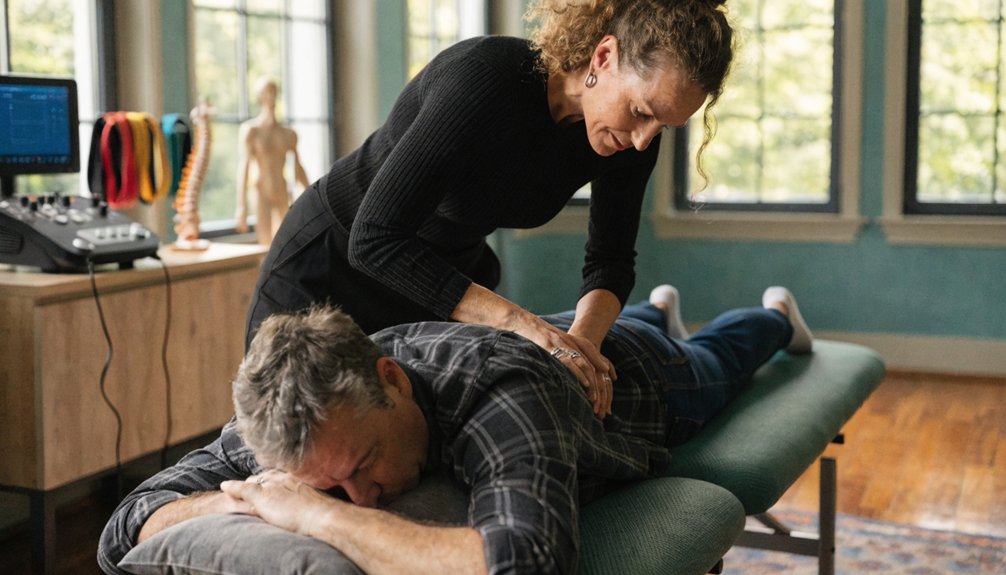
When back pain is mechanical rather than caused by a serious structural problem, hands-on treatments such as chiropractic spinal manipulation, mobilization, and soft tissue techniques may provide short-term symptom relief. These manual therapies aim to improve joint motion, reduce muscle guarding, and temporarily decrease pain, which may help you move more comfortably. Evidence suggests some chiropractic techniques and other provider-delivered approaches can modestly improve acute or subacute low back pain, especially when combined with exercise. Benefits are usually limited to short-term changes in pain and function rather than lasting correction of underlying tissue changes. You may also receive myofascial release, trigger point pressure, or massage-based treatment to address muscle tension. Because responses vary, your clinician should monitor symptom pattern, range of motion, and any signs suggesting a non-mechanical cause. In many cases, combining hands-on care with tailored exercise routines and stretching helps address muscle tightness and support longer-term back health.
How to Choose the Right Back Pain Treatment
How do you choose among the many non-surgical options for back pain? Start with the diagnosis, pain duration, functional limits, and red-flag symptoms. Acute muscle strain is managed differently than radicular pain, spinal stenosis, or inflammatory conditions. You should also consider severity, prior treatment response, and medical comorbidities. A key step is to prioritize regular exercise and physical activity, which improve strength, flexibility, and spinal support to help prevent future episodes of low back pain.
Next, match treatment intensity to your goals and risk profile. Exercise therapy, physical therapy, and education have strong evidence for many common cases. Medications may help short term, but side effects matter. If standard care isn’t sufficient, some alternative therapies, such as acupuncture or mindfulness-based stress reduction, may offer benefit. Your clinician should integrate imaging findings only when clinically indicated, then align recommendations with patient preferences, expected outcomes, costs, and your ability to participate consistently over time.
Frequently Asked Questions
Can Stress or Anxiety Make Back Pain Worse?
Yes, stress or anxiety can worsen your back pain by increasing muscle tension, pain sensitivity, and inflammation. You’ll often benefit from stress management and anxiety relief strategies, which can reduce symptom intensity and improve functional outcomes.
When Should Back Pain Be Treated as a Medical Emergency?
Treat back pain as a medical emergency if you develop acute symptoms like weakness, numbness, saddle anesthesia, fever, trauma, or bladder changes. You shouldn’t ignore severe pain duration, especially when it’s sudden, worsening, or night-related.
How Does Sleep Position Affect Chronic Back Pain?
Sleep position affects chronic back pain by changing spinal alignment, muscle loading, and pressure points. You’ll usually sleep better on your side or back if mattress support maintains neutral posture, improving sleep quality and reducing strain.
Can Weight Gain Contribute to Ongoing Back Pain?
Yes—evidence supports that weight gain can worsen ongoing back pain. Extra body mass increases spinal loading, inflammation, and disc stress. You’ll often improve symptoms through weight management and targeted lifestyle changes that reduce mechanical strain.
Are Ergonomic Chairs Effective for Preventing Back Pain?
Yes, ergonomic chairs can help prevent back pain if you choose evidence-based ergonomic design and adjustable chair features. You’ll benefit most when the chair supports neutral posture, movement, and proper fit to your body.